Телефон:1388xx888xxМобильные телефоны:1388xx888xxПочтовый ящик:1388xx888xx@gmail.com
Адрес:No. 628, Qiaotou Town, Qiaotou Town, Ningbo, Zhejiang, China


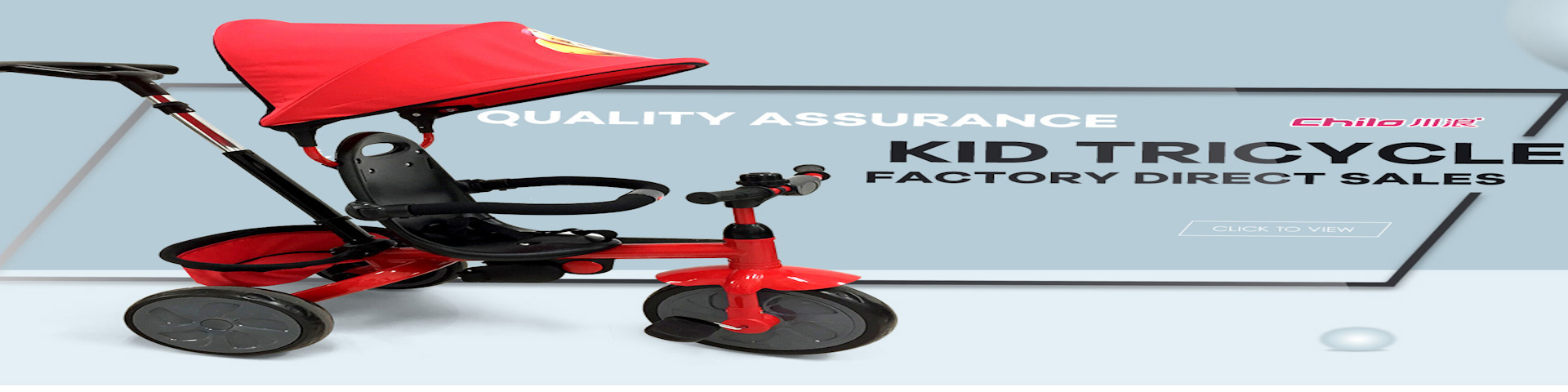
【Краткое описание】Эта статья исследует революционное влияние новых трехколесных велосипедов на городскую мобильность, анализируя их преимущества для экологии, здоровья и городской инфраструктуры, а также перспективы их интеграции в умные города будущего.
В современном мире, где урбанизация продолжает набирать обороты, города сталкиваются с беспрецедентными вызовами в области транспорта и мобильности. Пробки на дорогах, загрязнение воздуха, нехватка парковочных мест и растущие расходы на топливо стали обычными явлениями для миллионов горожан. В ответ на эти проблемы появляются инновационные решения, и одним из самых перспективных являются новые трехколесные велосипеды. Эти устройства, сочетающие в себе стабильность, комфорт и экологичность, готовы произвести настоящую революцию в том, как мы перемещаемся по городам. В этой статье мы глубоко исследуем, почему трехколесные велосипеды становятся ключевым элементом городской мобильности, анализируя их преимущества, вызовы и будущее в контексте устойчивого развития.
Трехколесные велосипеды имеют богатую историю, уходящую корнями в XIX век. Первые модели, такие как те, что использовались для доставки товаров или как детские транспортные средства, были простыми и функциональными. Однако с течением времени они эволюционировали, адаптируясь к changing needs of society. В 1970-х годах, с ростом интереса к альтернативным видам транспорта и здоровому образу жизни, трехколесные велосипеды начали gain popularity among adults, особенно среди пожилых людей и those with mobility issues. Но только в последнее десятилетие, благодаря advancements in materials, design, and technology, они truly emerged as a viable option for urban mobility. Современные трехколесные велосипеды оснащены легкими рамами из алюминия или углеродного волокна, эффективными системами передач, электрическими assist systems, and smart features like GPS and connectivity, making them not just a nostalgic relic, but a cutting-edge solution for today's cities.
This evolution mirrors broader trends in transportation. The early 2000s saw a surge in bicycle-sharing programs in cities like Paris and Barcelona, which highlighted the potential of cycling as a sustainable mode of transport. However, traditional two-wheeled bicycles have limitations—they can be unstable for some users, require balance, and are less suitable for carrying cargo or passengers. Three-wheeled bicycles address these issues by offering enhanced stability, making them accessible to a wider demographic, including seniors, people with disabilities, and those who are less confident on two wheels. As urban populations age and diversity increases, the demand for inclusive transportation options grows, positioning three-wheelers as a timely innovation.
Moreover, the push for sustainability has accelerated this trend. Climate change awareness and policies like the Paris Agreement have spurred cities to reduce carbon emissions, with transportation being a major contributor. Three-wheeled bicycles, especially electric-assist models, produce zero emissions at the point of use and have a lower carbon footprint compared to cars or even public transport in some cases. This aligns with global goals for a greener future, making them not just a convenience but a necessity in the fight against environmental degradation.
Одним из самых значительных преимуществ трехколесных велосипедов является их стабильность. В отличие от двухколесных велосипедов, которые требуют постоянного balancing, three-wheelers have a lower center of gravity and three points of contact with the ground, reducing the risk of falls. This makes them ideal for urban environments where uneven surfaces, obstacles, and busy traffic can pose hazards. For example, in cities with cobblestone streets or poorly maintained roads, a three-wheeler provides a smoother and safer ride. This stability also allows riders to carry heavier loads, such as groceries, children, or even small business deliveries, without compromising safety. In fact, many cargo three-wheelers are designed with large baskets or trailers, enabling them to replace car trips for short-distance errands, thereby reducing traffic congestion and pollution.
Another key advantage is accessibility. Three-wheeled bicycles are inclusive by design. They cater to people of all ages and abilities. For older adults, who may have reduced balance or strength, three-wheelers offer a way to stay active and mobile without the fear of falling. Similarly, for individuals with disabilities, adaptations like hand cycles or recumbent designs make cycling possible where it wasn't before. This inclusivity fosters social equity in transportation, ensuring that everyone can participate in urban life. Cities that promote such options are not only more sustainable but also more humane and connected.
Экономическая выгода также cannot be overlooked. Three-wheeled bicycles are generally more affordable than cars or motorcycles, both in terms of initial cost and maintenance. They require no fuel, insurance costs are lower, and parking is often free or inexpensive. In developing countries, three-wheelers like cycle rickshaws have long been a cost-effective means of transport for low-income communities. In developed cities, they can save users thousands of dollars annually compared to car ownership. For instance, the average cost of owning a car in a major city can exceed $10,000 per year, while a high-quality three-wheeler might cost under $1,000 upfront with minimal ongoing expenses. This economic efficiency makes them attractive in times of economic uncertainty or for those seeking to reduce personal expenses.
Health benefits are another compelling reason to adopt three-wheeled bicycles. Cycling, in general, is an excellent form of exercise that improves cardiovascular health, strengthens muscles, and reduces stress. Three-wheelers make this accessible to more people, including those who might avoid cycling due to fear of injury. Regular use can lead to better physical and mental well-being, reducing healthcare costs for individuals and society. In cities where sedentary lifestyles are common, promoting active transport like cycling can help combat obesity and related diseases. Moreover, electric-assist models allow riders to choose the level of exertion, making it easier to incorporate cycling into daily routines without overexertion.
Environmental impact is perhaps the most touted advantage. Three-wheeled bicycles, particularly non-electric or pedal-assist models, have a negligible carbon footprint. They produce no air pollutants, reduce noise pollution, and require less energy to manufacture than motor vehicles. By replacing car trips, they can significantly cut greenhouse gas emissions. For example, if just 10% of urban car trips under 5 kilometers were replaced by three-wheelers, it could reduce CO2 emissions by millions of tons annually globally. This aligns with urban sustainability goals, such as those outlined in initiatives like C40 Cities, which aim to create carbon-neutral cities by 2050.
Несмотря на многочисленные преимущества, widespread adoption of three-wheeled bicycles faces several challenges. Infrastructure is a major hurdle. Most cities are designed around cars, with roads, intersections, and parking favoring motor vehicles. Cycling infrastructure, such as bike lanes, is often inadequate or non-existent, and what exists is primarily tailored for two-wheeled bicycles. Three-wheelers, being wider and sometimes slower, may not fit well in narrow bike lanes or might be perceived as obstructing traffic. Cities need to invest in dedicated lanes, parking facilities, and traffic calming measures to accommodate them. For instance, Copenhagen and Amsterdam, leaders in cycling culture, have extensive networks of wide, separated bike paths that could be adapted for three-wheelers, but in less cycling-friendly cities, this requires significant political will and funding.
Safety concerns also persist. While three-wheelers are stable, they can be more visible to drivers due to their size, but they might also be involved in collisions if not properly integrated into traffic flow. Education and awareness campaigns are needed to ensure that both riders and drivers understand how to share the road safely. Additionally, theft and vandalism can be issues, as three-wheelers are often more expensive and conspicuous than standard bicycles. Solutions like secure parking, GPS tracking, and insurance options can mitigate these risks.
Perception and cultural barriers play a role as well. In many societies, cycling is still seen as a recreational activity or for the poor, rather than a legitimate mode of transport. Three-wheeled bicycles might be stigmatized as being for the elderly or disabled, which could deter younger, able-bodied users. Changing this perception requires marketing and advocacy that highlight the modernity, style, and versatility of new models. Celebrity endorsements, social media campaigns, and community events can help normalize three-wheelers as a cool and practical choice for urbanites.
Technological and regulatory challenges include the integration of electric assist systems. E-bikes and e-trikes are subject to varying regulations regarding speed limits, licensing, and where they can be used. In some regions, electric three-wheelers are classified similarly to motorcycles, requiring helmets and registration, which adds complexity. Standardization of components and safety features is also needed to ensure reliability and interoperability. Governments must update policies to support innovation while ensuring public safety.
Economic barriers include the initial cost. While cheaper than cars, high-quality three-wheelers can still be expensive, ranging from $500 to $3000 or more. Subsidies, tax incentives, or financing options could make them more accessible. Additionally, maintenance networks need to be expanded; not all bike shops are equipped to service three-wheelers, especially electric models. Training mechanics and establishing supply chains for parts are essential for long-term viability.
Looking ahead, the future of three-wheeled bicycles is bright, especially as cities evolve into smart, connected environments. The concept of smart cities involves using technology to improve efficiency, sustainability, and quality of life. Three-wheelers can be integral to this vision. For example, they can be equipped with IoT sensors to monitor air quality, traffic conditions, or even the rider's health metrics. Data collected from these devices could help city planners optimize infrastructure and reduce congestion. Imagine a network of shared three-wheelers that communicate with traffic lights to prioritize green lights for cyclists, reducing wait times and improving flow.
Autonomous technology might also play a role. While fully autonomous three-wheelers are still in development, semi-autonomous features like collision avoidance or self-parking could enhance safety and convenience. In logistics, autonomous cargo three-wheelers could revolutionize last-mile delivery, reducing the need for delivery trucks in dense urban areas. Companies like Amazon and Uber are already experimenting with similar concepts, and three-wheelers offer a more agile and eco-friendly alternative.
Integration with public transport is another promising area. Three-wheelers can serve as first-and-last-mile solutions, connecting homes to transit hubs like bus stops or train stations. This multimodal approach reduces reliance on cars and makes public transport more accessible. Cities could implement bike-sharing programs that include three-wheelers, offering options for different needs. For instance, in Tokyo, some stations have rental three-wheelers specifically designed for seniors or tourists with luggage.
Innovation in design and materials will continue to drive adoption. Lightweight composites, foldable frames for easy storage, and solar-powered assist systems are on the horizon. Customization will allow users to choose models tailored to their specific needs, whether for commuting, recreation, or commercial use. As battery technology improves, electric three-wheelers will become more efficient, with longer ranges and faster charging times, making them even more practical for daily use.
Social and cultural shifts will also influence adoption. As awareness of climate change grows, more people are seeking sustainable lifestyles. Three-wheeled bicycles symbolize a commitment to environmental stewardship and health. Community initiatives, such as group rides or cycling clubs, can foster a sense of belonging and encourage others to join. In educational settings, schools might incorporate three-wheelers into programs to teach children about sustainability and active living.
В заключение, новые трехколесные велосипеды представляют собой не просто модный тренд, а фундаментальный сдвиг в том, как мы conceptualize urban mobility. Их стабильность, доступность, экономическая эффективность, benefits for health, and positive environmental impact make them a powerful tool for creating more livable, sustainable cities. While challenges like infrastructure, safety, and perception remain, these are surmountable with concerted effort from governments, businesses, and communities.
The revolution in urban mobility is already underway, and three-wheeled bicycles are at its forefront. By embracing them, we can reduce traffic congestion, cut emissions, promote health, and build more inclusive societies. As technology advances and cities become smarter, the potential for three-wheelers will only grow. It's time to pedal forward into a future where mobility is not just about getting from point A to point B, but about doing so in a way that enriches our lives and protects our planet. Let's ride this wave of change together, one three-wheeled journey at a time.
This article has explored the multifaceted benefits and challenges of three-wheeled bicycles, highlighting their role in the ongoing transformation of urban transportation. From historical roots to future possibilities, it's clear that these innovative vehicles are more than just a niche product—they are a key component of the sustainable cities of tomorrow. As we move forward, continued innovation, policy support, and public engagement will be essential to fully realize their potential. So, whether you're a city planner, a commuter, or simply someone curious about the future, consider how three-wheeled bicycles might fit into your life and contribute to a greener, healthier world.
Contact US
Телефон:1388xx888xxМобильные телефоны:1388xx888xxПочтовый ящик:1388xx888xx@gmail.com
Адрес:No. 628, Qiaotou Town, Qiaotou Town, Ningbo, Zhejiang, China
Свяжитесь с нами.
Все права: Ningbo Chuanlang Industrial Co., Ltd. Карта сайта
 1388xx888xx