Телефон:1388xx888xxМобильные телефоны:1388xx888xxПочтовый ящик:1388xx888xx@gmail.com
Адрес:No. 628, Qiaotou Town, Qiaotou Town, Ningbo, Zhejiang, China


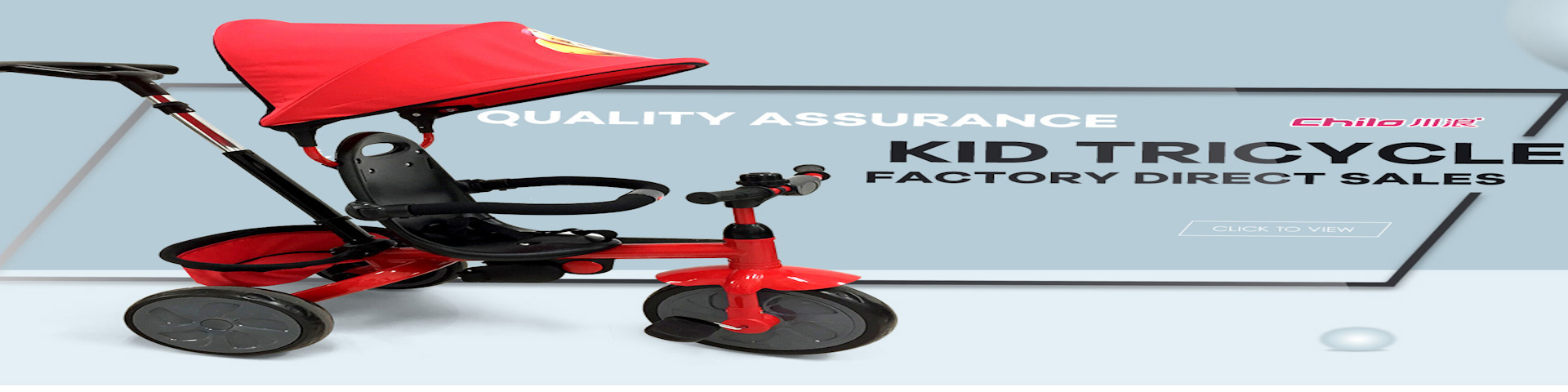
【Краткое описание】Исследование того, как трехколесные велосипеды могут стать ключевым элементом в преобразовании городского транспорта, способствуя устойчивому развитию, экологии и улучшению качества жизни в мегаполисах.
В современном мире, где урбанизация достигает беспрецедентных масштабов, города сталкиваются с множеством вызовов: пробки, загрязнение воздуха, нехватка парковочных мест и растущие проблемы со здоровьем у населения. Традиционные транспортные системы, основанные на автомобилях с двигателями внутреннего сгорания, уже не справляются с этими проблемами. Настало время для инновационных решений, и одним из таких решений могут стать трехколесные велосипеды. Эти, казалось бы, простые устройства обладают потенциалом кардинально изменить то, как мы перемещаемся по городам, делая их более устойчивыми, экологичными и удобными для жизни.
Трехколесные велосипеды, или трициклы, часто ассоциируются с детством или пожилыми людьми, но их возможности гораздо шире. Они предлагают стабильность, безопасность и универсальность, которые отсутствуют у двухколесных велосипедов. В контексте городского транспорта это делает их идеальным средством для решения таких проблем, как пробки, загрязнение и доступность. Более того, с развитием технологий, таких как электрические двигатели и умные системы, трехколесные велосипеды могут стать основой новой транспортной парадигмы.
В этой статье мы подробно рассмотрим, как трехколесные велосипеды могут трансформировать урбанистику. Мы обсудим их преимущества с точки зрения экологии, экономики, социальной справедливости и здоровья, а также предложим конкретные шаги для их внедрения в городскую инфраструктуру. Наша цель — показать, что будущее городского транспорта может быть ярким, если мы готовы мыслить нестандартно и embrace инновации.
Одной из самых pressing проблем современных городов является загрязнение воздуха. По данным Всемирной организации здравоохранения, более 90% населения мира дышит воздухом, который не соответствует безопасным стандартам. Автомобили являются major source этого загрязнения, выбрасывая тонны CO2 и других вредных веществ ежедневно. Трехколесные велосипеды, особенно электрические версии, предлагают zero-emission альтернативу.
Использование трехколесных велосипедов может значительно снизить carbon footprint городов. Например, если всего 10% поездок на автомобилях в крупном мегаполисе like Москва будут заменены на трехколесные велосипеды, это может привести к сокращению выбросов CO2 на thousands of tons в год. Более того, трехколесные велосипеды не требуют ископаемого топлива, что делает их устойчивыми в долгосрочной перспективе.
Кроме того, трехколесные велосипеды способствуют снижению шумового загрязнения. В отличие от автомобилей, они работают почти бесшумно, что улучшает качество жизни в городских районах. Это особенно важно для densely populated areas, где шум может вызывать стресс и health issues.
Еще одним экологическим преимуществом является reduced land use. Трехколесные велосипеды занимают меньше места, чем автомобили, что означает меньше need for parking lots and roads. Это позволяет освободить пространство для green areas, parks, and pedestrian zones, further enhancing the environmental quality of cities.
С экономической точки зрения, переход на трехколесные велосипеды может принести значительные savings для individuals and municipalities. For individuals, the cost of owning and maintaining a three-wheeled bicycle is much lower than that of a car. There are no fuel costs, insurance is cheaper, and maintenance is simpler. This can free up household income for other purposes, improving overall economic well-being.
For cities, investing in three-wheeled bicycle infrastructure can reduce expenditures on road maintenance and public transportation subsidies. For example, building bicycle lanes is cheaper than expanding highways, and it can reduce the need for costly public transport systems. Additionally, the health benefits associated with cycling can lead to lower healthcare costs for the society, as regular physical activity reduces the risk of chronic diseases like obesity, diabetes, and heart disease.
Moreover, the promotion of three-wheeled bicycles can stimulate local economies. It can create jobs in manufacturing, retail, and maintenance sectors. In regions where cycling culture is strong, such as the Netherlands, the bicycle industry contributes significantly to the GDP. By adopting similar models, other cities can boost their economic resilience.
Another economic advantage is the potential for tourism. Cities that prioritize cycling infrastructure often become attractive destinations for tourists who prefer eco-friendly travel options. This can increase revenue from tourism and enhance the city's global image.
Трехколесные велосипеды обладают unique potential to promote social equity and inclusivity in urban transport. Unlike two-wheeled bicycles, which can be challenging for certain groups, such as the elderly, children, or people with disabilities, three-wheeled bicycles offer greater stability and ease of use. This makes them accessible to a wider range of people, ensuring that no one is left behind in the transition to sustainable mobility.
For example, in many cities, public transportation is not fully accessible for people with mobility issues. Three-wheeled bicycles, especially designed with adaptations, can provide an independent means of transport for these individuals, enhancing their quality of life and social participation.
Additionally, three-wheeled bicycles can empower women and low-income communities. In some cultures, women may feel unsafe or impractical using two-wheeled bicycles due to clothing or social norms. Three-wheeled bicycles, with their stability and often enclosed designs, can overcome these barriers. Similarly, for low-income families, the affordability of three-wheeled bicycles makes them a viable option for daily commuting, reducing transport poverty.
By making transport more inclusive, cities can foster a sense of community and reduce social isolation. Shared three-wheeled bicycle programs, similar to bike-sharing systems, can further enhance accessibility and promote social interaction.
Использование трехколесных велосипедов для ежедневных поездок может значительно улучшить общественное здоровье. Регулярная физическая активность, такая как езда на велосипеде, снижает риск многих заболеваний, включая ожирение, диабет 2 типа, сердечно-сосудистые заболевания и некоторые виды рака. В городах, где sedentary lifestyles are common, promoting active transport like cycling can lead to a healthier population.
Three-wheeled bicycles are particularly beneficial because they reduce the barrier to entry for cycling. People who might be intimidated by two-wheeled bicycles due to balance issues or fear of accidents can feel confident on a three-wheeler. This encourages more people to adopt cycling as a regular mode of transport, amplifying the health benefits.
Furthermore, cycling has positive mental health effects. It can reduce stress, anxiety, and depression by providing an opportunity for outdoor activity and connection with nature. In urban environments, where stress levels are often high, this can be a valuable contribution to overall well-being.
The health benefits extend beyond the individual to the community. Reduced air pollution from fewer cars means better respiratory health for everyone, especially vulnerable groups like children and the elderly. This creates a virtuous cycle where healthier environments lead to healthier people.
Современные трехколесные велосипеды — это не просто простые устройства; они incorporate advanced technologies that enhance their functionality and appeal. Electric three-wheeled bicycles, or e-trikes, are becoming increasingly popular. They come with battery-powered motors that assist pedaling, making them suitable for longer distances and hilly terrains. This technology eliminates the physical exertion barrier, making cycling accessible to more people.
Smart features are also being integrated. GPS navigation, anti-theft systems, and connectivity with smartphones allow users to plan routes, track their rides, and ensure security. Some models even have solar panels for charging, further reducing their environmental impact.
In the future, we might see autonomous three-wheeled bicycles that can operate in shared mobility systems, similar to autonomous cars. This could revolutionize urban transport by providing on-demand, efficient, and safe mobility options without the need for personal ownership.
Moreover, advancements in materials science are making three-wheeled bicycles lighter, stronger, and more durable. The use of recyclable materials aligns with sustainability goals, and modular designs allow for easy repairs and upgrades, extending the product's lifespan.
Для того чтобы трехколесные велосипеды стали mainstream mode of transport, cities need to invest in appropriate infrastructure. This includes dedicated bicycle lanes that are wide enough to accommodate three-wheelers, which are generally broader than two-wheeled bicycles. These lanes should be separated from motor vehicle traffic to ensure safety.
Parking facilities are also crucial. Secure parking spots for three-wheeled bicycles, possibly with charging stations for e-trikes, can encourage adoption. Cities can repurpose underutilized spaces, such as vacant lots or sections of parking garages, for this purpose.
Integration with public transport is another key aspect. Three-wheeled bicycles can serve as first-and-last-mile solutions, connecting homes to transit hubs. For example, bike-sharing programs that include three-wheelers can make public transport more accessible and convenient.
Additionally, urban planning should prioritize mixed-use development, where residential, commercial, and recreational areas are within cycling distance. This reduces the need for long commutes and makes three-wheeled bicycles a practical choice for daily activities.
Education and awareness campaigns are essential to promote cycling culture and safety. Cities can organize events, provide training programs, and implement policies that incentivize cycling, such as tax breaks or subsidies for purchasing three-wheeled bicycles.
Несколько городов по всему миу уже демонстрируют, как трехколесные велосипеды могут быть integrated into urban transport systems. Например, в Амстердаме, известном своим велосипедным culture, трехколесные велосипеды используются для грузовых перевозок и людьми с ограниченными возможностями. Это снизило зависимость от автомобилей и улучшило mobility for all.
В некоторых азиатских странах, таких как Индия и Филиппины, трехколесные велосипеды (often called auto-rickshaws) are a common sight. While traditionally powered by fossil fuels, there is a shift towards electric versions, reducing emissions and operating costs. These examples show that with proper support, three-wheeled bicycles can scale effectively.
In European cities like Copenhagen and Berlin, shared mobility programs that include three-wheeled bicycles are gaining traction. These programs are often subsidized by local governments and partnered with private companies, making them affordable and widely available.
These case studies highlight the importance of tailored approaches. What works in one city may not work in another, so it's crucial to adapt strategies based on local conditions, culture, and needs.
Несмотря на многочисленные преимущества, внедрение трехколесных велосипедов сталкивается с несколькими challenges. Один из основных — cultural resistance. In many societies, cars are status symbols, and cycling is seen as inferior or impractical. Changing this mindset requires time and effort through education and positive messaging.
Infrastructure costs can be a barrier, especially in cities with limited budgets. Building dedicated lanes and parking facilities requires investment, which may compete with other priorities. However, the long-term benefits often outweigh the initial costs.
Safety concerns are another issue. Three-wheeled bicycles, while stable, can still be involved in accidents if not properly integrated with traffic. Cities need to enforce traffic laws and design roads that protect cyclists from vehicles.
Weather conditions can also deter cycling. In regions with extreme weather, such as heavy rain or snow, cycling may not be feasible year-round. Solutions like covered bicycle paths or weather-resistant designs can mitigate this.
Finally, there is the challenge of scalability. Manufacturing enough three-wheeled bicycles to meet demand and ensuring a supply chain for parts and maintenance can be difficult, particularly in developing countries.
Looking ahead, the future of three-wheeled bicycles in urban transport is bright. With growing awareness of climate change and urban sustainability, more cities are likely to adopt policies that favor active and eco-friendly transport. Technological advancements will continue to make three-wheeled bicycles more efficient, affordable, and appealing.
We may see the rise of three-wheeled bicycle taxis and delivery services, reducing the reliance on cars for short trips. Integration with renewable energy sources, such as solar power, could make them even more sustainable.
Collaboration between governments, private sector, and communities will be key to success. Public-private partnerships can accelerate the development of infrastructure and shared mobility programs.
Ultimately, three-wheeled bicycles have the potential to become a symbol of modern, smart cities—places where technology, sustainability, and quality of life converge. By embracing this mode of transport, we can create urban environments that are not only functional but also joyful and healthy to live in.
В заключение, трехколесные велосипеды предлагают multifaceted solution to many urban challenges. Они экологичны, экономичны, социально inclusive, и beneficial for health. Однако для realization их полного потенциала required coordinated efforts from all stakeholders—governments, businesses, and citizens.
We call on city planners to prioritize cycling infrastructure in urban development plans. We urge policymakers to implement incentives for adopting three-wheeled bicycles, such as subsidies or tax benefits. And we encourage individuals to consider switching to three-wheeled bicycles for their daily commutes, contributing to a greener and healthier future.
Будущее городского транспорта не должно быть dominated by cars. С трехколесными велосипедами мы можем reimagine our cities as spaces of freedom, sustainability, and community. Давайте сделаем этот shift together и создадим урбанистику, которая works for everyone.
Contact US
Телефон:1388xx888xxМобильные телефоны:1388xx888xxПочтовый ящик:1388xx888xx@gmail.com
Адрес:No. 628, Qiaotou Town, Qiaotou Town, Ningbo, Zhejiang, China
Свяжитесь с нами.
Все права: Ningbo Chuanlang Industrial Co., Ltd. Карта сайта
 1388xx888xx