Телефон:1388xx888xxМобильные телефоны:1388xx888xxПочтовый ящик:1388xx888xx@gmail.com
Адрес:No. 628, Qiaotou Town, Qiaotou Town, Ningbo, Zhejiang, China


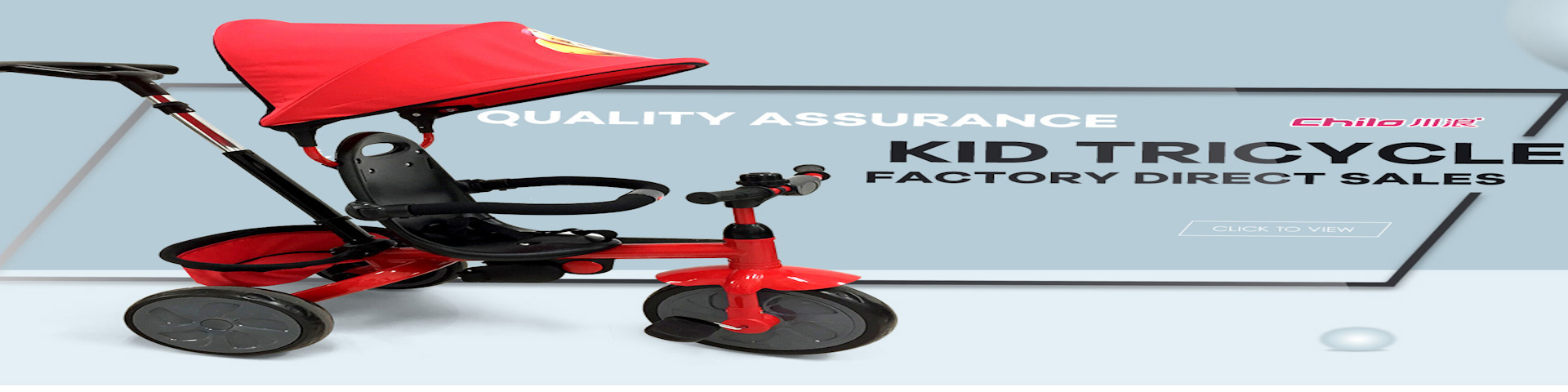
【Краткое описание】Статья исследует причины популярности трехколесных велосипедов в городах, анализируя их преимущества для экологии, здоровья и городской инфраструктуры, с примерами и рекомендациями.
В современном мире, где урбанизация достигает невиданных масштабов, города сталкиваются с множеством вызовов: пробки, загрязнение воздуха, нехватка парковочных мест и рост стресса среди жителей. В ответ на эти проблемы появляются инновационные решения, и одним из наиболее перспективных является трехколесный велосипед. Когда-то считавшийся реликтом прошлого или транспортным средством для детей и пожилых людей, трехколесный велосипед переживает ренессанс, становясь символом устойчивой мобильности в городских условиях. Его успех не случаен — он основан на уникальном сочетании практичности, экологичности и адаптивности к требованиям современной жизни. В этой статье мы глубоко исследуем секреты этого успеха, анализируя, почему трехколесные велосипеды все чаще выбирают горожане по всему миру, и как они могут изменить будущее городского транспорта.
История трехколесных велосипедов уходит корнями в XIX век, когда они были изобретены как альтернатива двухколесным моделям для большей стабильности. Однако лишь в последние десятилетия, с ростом осознания экологических проблем и необходимостью оптимизации городского пространства, трехколесные велосипеды начали набирать популярность. В Европе, особенно в таких странах, как Нидерланды и Германия, они уже стали неотъемлемой частью городского пейзажа, используясь для перевозки грузов, commuting и даже в качестве общественного транспорта. В России, хотя adoption пока slower, тенденция набирает обороты, особенно в крупных городах, таких как Москва и Санкт-Петербург, где власти инвестируют в велоинфраструктуру.
Одним из ключевых секретов успеха трехколесных велосипедов является их универсальность. В отличие от двухколесных велосипедов, которые требуют определенного уровня баланса и могут быть неустойчивыми при перевозке грузов, трехколесные модели предлагают повышенную стабильность. Это делает их идеальными для широкого круга применений: от ежедневных поездок на работу до доставки товаров и перевозки детей. Например, в городских условиях, где дороги часто переполнены, а тротуары узки, трехколесный велосипед позволяет маневрировать с меньшим риском падения, что особенно важно для пожилых людей или тех, кто восстанавливается после травм. Кроме того, многие модели оснащены багажниками или корзинами, что превращает их в эффективные инструменты для логистики — представьте себе курьера, который может перевозить посылки без затрат на топливо и с минимальным углеродным следом.
Экологический аспект — еще один мощный драйвер популярности трехколесных велосипедов. В эпоху изменения климата и растущего беспокойства о качестве воздуха, города ищут способы сократить выбросы CO2. Трехколесные велосипеды, будучи полностью human-powered или часто equipped с electric assist, предлагают zero-emission альтернативу автомобилям. Исследования показывают, что если бы всего 10% городских поездок совершались на велосипедах, включая трехколесные, выбросы парниковых газов могли бы сократиться на значительные проценты. В таких городах, как Копенгаген или Амстердам, где велосипедная культура deeply ingrained, трехколесные велосипеды contribute to cleaner air and reduced noise pollution, создавая более здоровую среду для всех жителей.
Здоровье и благополучие — еще одна причина, почему трехколесные велосипеды набирают популярность. Регулярная езда на велосипеде, даже в трехколесном варианте, promotes physical activity, которая essential для борьбы с sedentary lifestyle и связанными с ним заболеваниями, такими как ожирение, диабет и сердечно-сосудистые проблемы. Для многих горожан, которые находят двухколесные велосипеды слишком challenging из-за возраста или физических ограничений, трехколесные модели открывают door to active mobility. Они позволяют людям оставаться mobile and independent, улучшая качество жизни. Кроме того, психологические benefits не менее важны: езда на велосипеде снижает stress и повышает mood, thanks to exposure to fresh air and the joy of movement.
Городское планирование и инфраструктура играют crucial role в успехе трехколесных велосипедов. Cities that invest in bike-friendly infrastructure — such as dedicated bike lanes, parking facilities, and traffic calming measures — create an environment where three-wheeled bicycles can thrive. For instance, in cities like Portland, Oregon, or Berlin, the expansion of bike-sharing programs that include three-wheeled options has boosted their adoption. In Russia, initiatives like the development of velodromes and bike paths in Moscow demonstrate a growing commitment to sustainable transport. However, challenges remain, such as the need for better integration with public transport and addressing safety concerns, but these are surmountable with smart policies and community engagement.
Экономические факторы также contribute to the success of three-wheeled bicycles. They are often more affordable than cars or even some two-wheeled e-bikes, making them accessible to a broader demographic. The cost savings on fuel, insurance, and maintenance can be substantial over time. Moreover, for small businesses, three-wheeled cargo bikes offer a cost-effective solution for last-mile delivery, reducing operational costs and increasing efficiency. In emerging economies, three-wheeled bicycles have long been used as rickshaws or for goods transport, highlighting their economic viability. As cities continue to urbanize, the economic argument for adopting three-wheeled bicycles becomes even stronger.
Technological innovations have further propelled the rise of three-wheeled bicycles. Modern designs incorporate lightweight materials, electric motors, and smart features like GPS and anti-theft systems, enhancing their appeal. Electric three-wheelers, or e-trikes, combine the benefits of cycling with the ease of motorized transport, making them suitable for longer distances or hilly terrains. Companies like Urban Arrow in the Netherlands or Rad Power Bikes in the US are leading the charge with innovative models that cater to urban needs. These advancements not only improve performance but also make three-wheeled bicycles more user-friendly and attractive to a younger, tech-savvy audience.
Social and cultural factors cannot be overlooked. In many cultures, three-wheeled bicycles are associated with nostalgia or community values, which can drive adoption. For example, in some Asian countries, they are a symbol of traditional transport, while in Western cities, they represent a shift towards a more sustainable and inclusive lifestyle. Community events, such as bike festivals or group rides, help normalize their use and build a sense of belonging among users. As more people share positive experiences, the social acceptance of three-wheeled bicycles grows, creating a virtuous cycle of adoption.
Looking to the future, the potential for three-wheeled bicycles in urban environments is immense. With ongoing urbanization and the urgent need to address climate change, cities must embrace multimodal transport systems where bicycles, including three-wheeled variants, play a central role. Policies that promote cycling, such as subsidies, tax incentives, and urban design that prioritizes pedestrians and cyclists, will be key. Additionally, collaboration between governments, private sector, and communities can accelerate innovation and adoption. Imagine a city where three-wheeled bicycles are as common as cars, reducing congestion, improving health, and fostering a greener future.
In conclusion, the secret to the success of three-wheeled bicycles in urban environments lies in their ability to address multiple contemporary challenges: they offer stability and versatility, promote environmental sustainability, enhance health and well-being, and are supported by evolving infrastructure and technology. As cities continue to evolve, three-wheeled bicycles are not just a trend but a necessary component of smart urban mobility. By embracing them, we can create more livable, resilient, and joyful urban spaces for generations to come. The journey has just begun, and the wheels are turning towards a brighter future.
This article has explored the multifaceted reasons behind the rise of three-wheeled bicycles, but the conversation is far from over. We encourage readers to share their thoughts and experiences, and to consider how they might incorporate three-wheeled bicycles into their own lives. Together, we can pedal towards a more sustainable world.
Contact US
Телефон:1388xx888xxМобильные телефоны:1388xx888xxПочтовый ящик:1388xx888xx@gmail.com
Адрес:No. 628, Qiaotou Town, Qiaotou Town, Ningbo, Zhejiang, China
Свяжитесь с нами.
Все права: Ningbo Chuanlang Industrial Co., Ltd. Карта сайта
 1388xx888xx