Телефон:1388xx888xxМобильные телефоны:1388xx888xxПочтовый ящик:1388xx888xx@gmail.com
Адрес:No. 628, Qiaotou Town, Qiaotou Town, Ningbo, Zhejiang, China


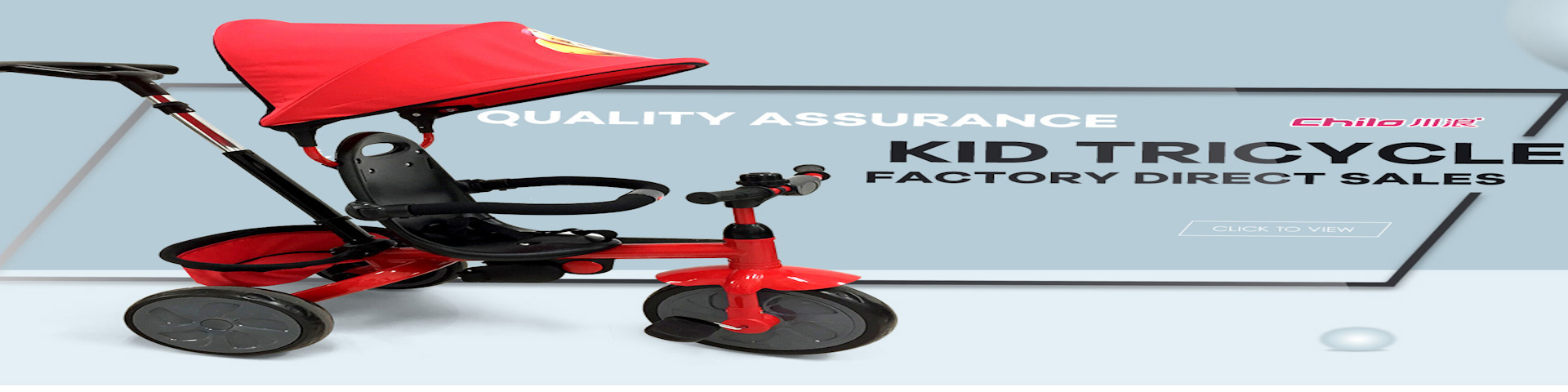
【Краткое описание】Эта статья обсуждает важность баланса на трехколесном велосипеде для начинающих, подчеркивая его роль в развитии моторики, безопасности и уверенности. Мы рассмотрим физические и психологические аспекты, практические советы по обучению и долгосрочные преимущества для здоровья и навыков.
Введение в мир велоспорта для начинающих часто начинается с трехколесного велосипеда — простого, но эффективного инструмента, который служит мостом к более сложным двухколесным моделям. Однако многие недооценивают важность баланса даже на таком стабильном транспортном средстве. В этой статье мы глубоко исследуем, почему баланс на трехколесном велосипеде критически важен для новичков, охватывая аспекты безопасности, развития моторных навыков, психологической уверенности и долгосрочных преимуществ. Мы также предоставим практические советы для родителей и инструкторов, чтобы сделать процесс обучения максимально эффективным и enjoyable.
Баланс — это способность поддерживать устойчивое положение тела во время движения, что является фундаментальным навыком для любой физической активности. На трехколесном велосипеде, несмотря на его стабильность благодаря трем колесам, баланс все равно играет ключевую роль. Он involves координацию между верхней и нижней частями тела, контроль над рулем и педалями, а также awareness окружающей среды. Для начинающих, особенно детей, освоение баланса на трехколесном велосипеде служит preparatory step для перехода к двухколесным велосипедам, где баланс становится еще более critical. Без proper баланса, даже на stable велосипеде, могут возникнуть падения, которые могут отпугнуть новичка от дальнейшего обучения.
Физически, баланс на трехколесном велосипеде помогает развивать core muscles, улучшает posture и enhances overall coordination. Это не просто о том, чтобы не упасть; it's about building a foundation for future physical activities. Исследования показывают, что children who learn balance early through activities like cycling have better motor skills later in life. Таким образом, investing time in баланс на трехколесном велосипеде — это investment в long-term health and development.
Безопасность — paramount concern для начинающих велосипедистов, и баланс directly impacts it. На трехколесном велосипеде, imbalance может lead к опрокидыванию, особенно на uneven surfaces или при резких поворотах. Например, если ребенок не maintains proper баланс, he or she might lean too far to one side, causing the trike to tip over. Это может result in minor injuries like scrapes or bruises, but in worst cases, it could lead to more serious harm. Поэтому, teaching balance from the start helps minimize risks.
Практические меры, такие как использование helmets и supervision, are essential, but они should complement, not replace, focus на баланс. Родители могут encourage balance by adjusting the seat height to ensure the child's feet can touch the ground comfortably, providing a sense of security. Additionally, practicing in safe environments like flat parks can build confidence. Remember, a balanced rider is a safe rider, and this principle applies even to three-wheelers.
Для начинающих, особенно young children, трехколесный велосипед serves as an excellent tool for developing gross motor skills. Баланс involved in cycling helps strengthen leg muscles, improve hand-eye coordination, and enhance spatial awareness. When a child learns to balance on a trike, they are engaging multiple muscle groups and neural pathways, which promotes brain development. This is crucial during early childhood, when the brain is highly plastic and responsive to new experiences.
Studies have shown that activities requiring balance, such as cycling, can improve cognitive functions like attention and memory. For instance, a child who masters balance on a trike is likely to perform better in sports and academic tasks later on. Moreover, this development is not limited to physical aspects; it also fosters independence and problem-solving skills. As the child navigates obstacles and adjusts their balance, they learn to assess situations and react appropriately, building resilience and adaptability.
Психологически, успешное освоение баланса на трехколесном велосипеде boosts self-esteem and motivation. For a beginner, the feeling of being able to ride without falling is empowering. It creates a positive feedback loop: the more they practice balance, the more confident they become, which encourages further practice. This is particularly important for children, as early successes in physical activities can shape their attitude towards challenges throughout life.
On the flip side, a lack of focus on balance can lead to frustration and fear. If a child frequently falls or struggles to control the trike, they might develop anxiety around cycling, which could deter them from trying other sports. Therefore, parents and instructors should emphasize balance training in a supportive manner, using encouragement and gradual progression. Celebrating small achievements, like riding a short distance without wobbling, can make a big difference in maintaining enthusiasm.
Многие parents wonder if starting with a three-wheeled bicycle is necessary, given that two-wheelers are the ultimate goal. However, the transition is smoother when balance is first mastered on a stable platform. A three-wheeled bicycle provides a safety net that allows beginners to focus on pedaling, steering, and balance without the constant threat of falling. This builds a solid foundation that makes learning to ride a two-wheeler much easier and less stressful.
In contrast, jumping straight to a two-wheeler can be overwhelming and dangerous for beginners. They might rely too much on training wheels, which don't truly teach balance, and then struggle when the wheels are removed. By starting with a trike, beginners develop a natural sense of balance that translates seamlessly to more advanced bikes. This approach not only saves time but also reduces the risk of injuries and negative experiences.
Чтобы эффективно teach balance on a three-wheeled bicycle, consider these practical tips: First, ensure the bike is the right size for the rider; the seat should be adjusted so that the feet can flatly reach the ground when seated. This gives a sense of security and allows for easy stopping. Second, start on flat, smooth surfaces to minimize obstacles. Third, encourage the rider to practice turning and stopping gradually, focusing on maintaining upright posture.
Use games and activities to make learning fun, such as setting up a small obstacle course or having races. Positive reinforcement is key; praise efforts and improvements rather than criticizing mistakes. For adults learning, similar principles apply: practice in a safe area, wear protective gear, and be patient. Remember, balance is a skill that improves with repetition, so consistent practice is essential.
Освоение баланса на трехколесном велосипеде has long-term benefits that extend beyond cycling. It promotes a healthy lifestyle by encouraging physical activity from a young age, which can prevent obesity and related health issues. Moreover, the coordination and balance skills developed are transferable to other sports like skating, skiing, or even everyday activities like walking on uneven terrain.
Psychologically, the confidence gained from mastering balance can lead to a more active and adventurous life. Individuals who are comfortable with physical challenges are more likely to engage in new experiences and maintain an active routine into adulthood. Thus, investing in balance training early on is an investment in lifelong well-being.
В заключение, баланс на трехколесном велосипеде is not just a minor detail but a critical component for beginners. It enhances safety, fosters physical and psychological development, and lays the groundwork for future cycling adventures. By prioritizing balance, parents and instructors can ensure that learning to ride is a positive, rewarding experience that builds skills and confidence for years to come. So, whether you're teaching a child or an adult, remember: focus on balance, and the rest will follow naturally.
Надеемся, эта статья вдохновит вас на emphasis баланса в процессе обучения. Удачи в ваших cycling endeavors!
Contact US
Телефон:1388xx888xxМобильные телефоны:1388xx888xxПочтовый ящик:1388xx888xx@gmail.com
Адрес:No. 628, Qiaotou Town, Qiaotou Town, Ningbo, Zhejiang, China
Свяжитесь с нами.
Все права: Ningbo Chuanlang Industrial Co., Ltd. Карта сайта
 1388xx888xx